Course Overview: Modeling of Electrical Machines and Power Systems

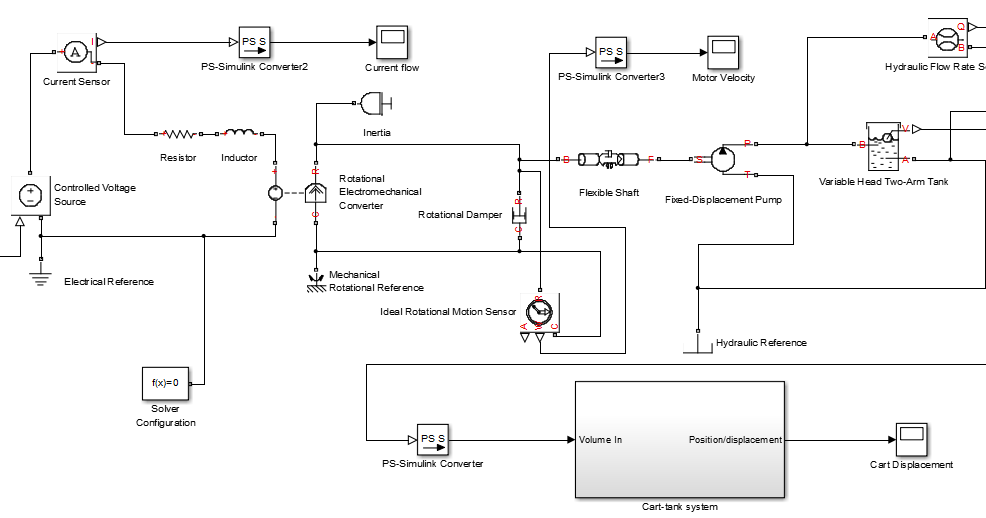
This course provides a comprehensive exploration of dynamic modeling and control of electrical machines within power systems. It begins with an in-depth study of the dynamic behavior of DC machines, followed by the formulation of dynamic models for synchronous machines under various control strategies. The course further extends these modeling techniques to synchronous motors, emphasizing coordinate transformations and control implementation.

This course provides a comprehensive exploration of dynamic modeling and control of electrical machines within power systems. It begins with an in-depth study of the dynamic behavior of DC machines, followed by the formulation of dynamic models for synchronous machines under various control strategies. The course further extends these modeling techniques to synchronous motors, emphasizing coordinate transformations and control implementation.

Additionally, it covers converter–machine associations, enabling an understanding of the electromechanical interactions in converter-fed drives. The course concludes with the dynamic modeling of asynchronous (induction) machines, including their transient performance and control approaches.

Additionally, it covers converter–machine associations, enabling an understanding of the electromechanical interactions in converter-fed drives. The course concludes with the dynamic modeling of asynchronous (induction) machines, including their transient performance and control approaches.

Overall, the course focuses on theoretical foundations and modeling principles, providing students with a strong understanding of how to represent and analyze different types of electrical machines in power generation and conversion systems.

Overall, the course focuses on theoretical foundations and modeling principles, providing students with a strong understanding of how to represent and analyze different types of electrical machines in power generation and conversion systems.

The course is divided into three learning units, each unit is treated through pedagogical sequences allowing the assimilation of the planned concepts, the latter is consolidated by learning activities where these notions are implemented.


La maintenance industrielle, également appelée maintenance, désigne l'ensemble des activités visant à maintenir ou à restaurer les équipements et systèmes de production industriels dans leur état de fonctionnement prévu. Cela garantit leur capacité à exécuter leurs tâches de manière fiable et à contribuer à l'efficacité de la production globale.

La maintenance industrielle, également appelée maintenance, désigne l'ensemble des activités visant à maintenir ou à restaurer les équipements et systèmes de production industriels dans leur état de fonctionnement prévu. Cela garantit leur capacité à exécuter leurs tâches de manière fiable et à contribuer à l'efficacité de la production globale.

The course about Modeling of  electrical machines and power systems across multiple chapters. It covers the dynamic properties of DC machines, dynamic models of synchronous machines with various control strategies, extending transformations to synchronous motors, modeling converter-machine associations, and dynamic modeling of asynchronous machines. Overall, it provides theoretical insights and practical applications for modeling and controlling different electrical machines within power systems.

l'objectif de ce module est de connaître le fonctionnement et la mise en œuvre des Microprocesseurs et des Automates Programmables Industriels (API) en vue de développer des circuits de commande.