
The course Modeling and Simulation of Electromechanical Systems focuses on the mathematical modeling, analysis, and simulation of electrical machines and their associated power converters. It begins with the study of dynamic systems, including differential equations, transfer functions, and state-space representations, followed by the modeling of DC motors using electrical and mechanical equations derived from Kirchhoff’s voltage law and Newton’s law of motion. It then examines the dynamic modeling of synchronous machines, their construction and operating principles, Clarke and Park transformations, electromagnetic power and torque equations, and the state-space models of synchronous and permanent magnet synchronous machines (PMSM). The course also explores the extension of Park transformations to synchronous machines with non-sinusoidal magnetic field distributions using harmonic analysis and Fourier series. Furthermore, it covers the modeling and simulation of three-phase voltage-source inverters, switching functions, and pulse-width modulation (PWM) techniques, particularly sinusoidal-triangle and sinusoidal-sawtooth modulation. Finally, it addresses the dynamic modeling of asynchronous (induction) machines through electrical, magnetic, and mechanical equations, two-phase transformations, dq reference frames, state-space representation, and electromagnetic torque calculations. Overall, the course provides the theoretical and mathematical foundations required to understand, model, simulate, and control electromechanical systems using MATLAB/Simulink.
- المعلم: Abdelkader Mahmoudi
السنة : أولى ليسانس جذع مشترك علوم وتكنولوجيا
المقياس: بنية المادة
الرصيد :06
المعامل:03
الاستاذة : بن عمر إلهام
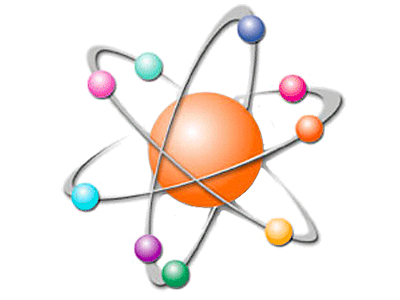
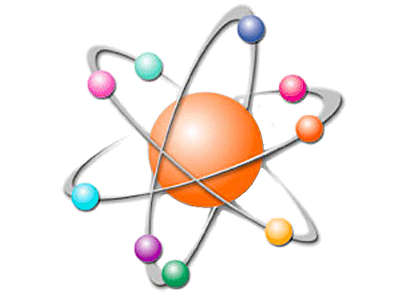
يُعد مقياس "بنية المادة" (أو الكيمياء البنيوية) حجر الزاوية التأسيسي لطلبة السنة الأولى ليسانس في الجذع المشترك لعلوم والتكنولوجيا، حيث يمثل المنطلق الأساسي الذي تنبثق منه كافة فروع الكيمياء والعلوم التطبيقية. يهدف هذا المقياس إلى تزويد الطالب بفهم شامل لماهية المادة ومكوناتها، بدءاً من التجارب التاريخية لاكتشاف الذرة والنشاط الإشعاعي، مروراً بالنماذج الذرية الكلاسيكية ومبادئ الميكانيك الموجي، وصولاً إلى أسس التصنيف الدوري للعناصر وآليات تكوين الروابط الكيميائية وأنواعها. وبذلك، يرسخ هذا الدرس المفاهيم العلمية والمعارف النظرية والتطبيقية اللازمة لبناء قاعدة معرفية متينة تؤهل الطالب لاستيعاب المقاييس المتقدمة ومتابعة مساره الأكاديمي والبحثي في التخصص بثقة واقتدار.
- المعلم: ilham benamor